
New Zealand Confirms Credit Card Ban in Planned Online Casino Market

Jack Harris
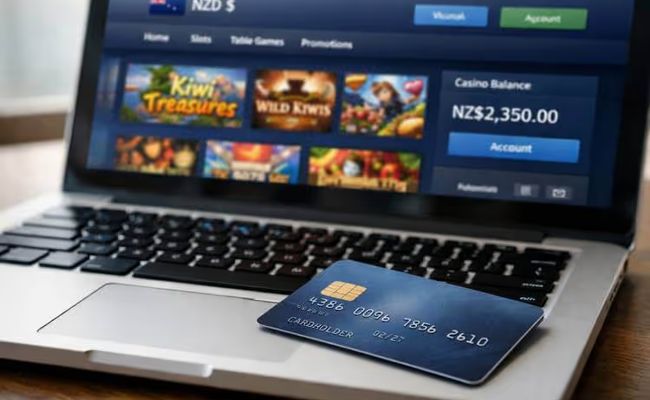
Credit card resting on a laptop showing a New Zealand online casino interface, illustrating the upcoming ban on credit card gambling deposits
New Zealand Confirms Credit Card Ban in Planned Online Casino Market

New Zealand has confirmed that credit cards will be banned as a payment method under its upcoming regulated online casino framework, with the restriction built directly into the country’s proposed Online Casino Bill. The measure is intended to limit gambling-related debt as the government prepares to legalise and license online casino operators for the first time.

The ban will take effect when the new licensing regime comes into force and will apply to all licensed New Zealand online casinos. It forms part of a broader package of consumer-protection rules designed to strengthen political and public support for the bill as it progresses through Parliament.

Debt Prevention Drives Payment Restrictions

According to the government, the decision to block credit card payments is based on concerns that access to borrowed funds can increase the risk of gambling-related debt. By removing credit cards as an online payment option, policymakers aim to limit spending that exceeds a player’s available funds.

The restriction is being written into the regulations that will support the primary legislation. It is not limited to direct card payments and is expected to cover indirect credit use, including deposits made via e-wallets funded by credit cards.

The approach follows a similar action taken in Australia, where a nationwide ban on credit cards for licensed Australian online gambling sites took effect on June 11, 2024.

Limited Licences and Higher Taxes Shape the Market

Under the proposed framework, up to 15 online casino licences will be made available, allowing licensed operators to offer and advertise their services in New Zealand legally. The government estimates that licence sales alone could raise around NZD 44 million, with additional revenue generated through ongoing taxation once the market is operational.

The bill also includes a 16% tax on online casino revenue, following an increase agreed during policy revisions earlier this year. In addition, licensed operators would be required to contribute 4% of their gross gambling revenue to charities and community organisations, ensuring a portion of online gambling proceeds is returned to public causes.

While officials believe these conditions strike a balance between regulation and commercial viability, some industry participants have questioned whether the combined tax burden and payment restrictions will discourage operators from entering the market.

Enforcement and Offshore Competition Remain Key Issues

One of the main challenges facing the new system will be enforcement, particularly given the ongoing presence of offshore gambling sites that already accept New Zealand players without local approval. The government has indicated that payment restrictions for licensed operators will be accompanied by more vigorous enforcement against unlicensed platforms, although detailed enforcement measures have not yet been published.

Consumer advocates and gambling-harm researchers have welcomed mainly the credit card ban, but many have cautioned that close oversight of alternative payment methods will be essential. Without proper controls, players could simply shift to other forms of indirect borrowing.

As the Online Casino Bill continues through Parliament, lawmakers are finalising the regulatory details that will determine how the market operates in practice. The credit card ban sends a clear signal about the government’s priorities. Still, its real-world impact will depend on how effectively the new framework limits harm while competing with unregulated offshore operators.

Was this article helpful?

Share your thoughts in the comments
More to Read

Weekly Online Casino Offers, Right To Your Inbox

Don’t be the last to know about latest bonuses, new casino launches or exclusive promotions. Join us today!

By subscribing, you confirm that you are 18+