Although gambling has been around for thousands of years, it wasn’t until early modern Europe that dedicated gambling venues began to appear - spaces designed to keep games organised, controlled, and accessible. Some of the world's oldest casinos date back to this period, marking the beginning of what we now recognise as the modern casino.
The word “casino” itself comes from the Italian for a small house or social venue, and only later became associated with gambling. Casinos quickly spread across Europe, and several of these historic venues are still operating today, offering a clear look at how the industry first took shape.
In this article, we look at five of these historic casinos and how they helped shape the industry.
Oldest Casinos in the World: Quick Overview
| Casino | Country | Year Established | Still Operating |
| Casinò di Venezia | Italy | 1959 (origins 1638) | Yes |
| Casino de Spa | Belgium | 1763 | Yes |
| Casino Wiesbaden | Germany | 1810 | Yes |
| Casino de Monte Carlo | Monaco | 1856 | Yes |
| Golden Gate Casino | USA | 1906 | Yes |
Casinò di Venezia (Italy)
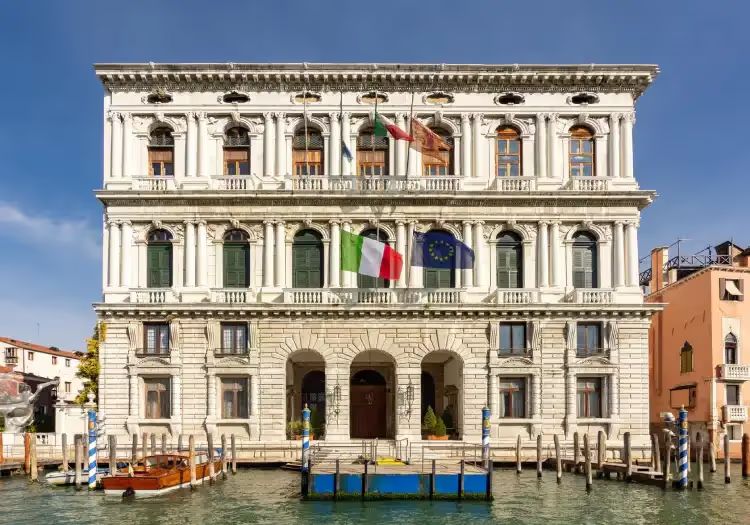
Casinò di Venezia is widely regarded as the oldest casino still operating today, with its history closely tied to the early development of organised gambling in Europe.
The origins of casino gaming in Venice date back to 1638, when the city established Il Ridotto, the world’s first state-run gambling house. This is why the oldest casino in the world is often linked to Venice, as it was here that organised casino gaming first took shape. Il Ridotto was introduced to regulate betting during carnival season, bringing structure, supervision, and clear rules to what had previously been informal gambling.
Il Ridotto remained active for over a century before closing in 1774. Although the original venue no longer exists, it set the foundation for how casinos would operate going forward.
The modern Casinò di Venezia was established much later, in 1959, when casino gaming returned to the city in a new location, the Ca’ Vendramin Calergi, a Renaissance palace on the Grand Canal. This is the casino that operates today.
It is considered the oldest active casino because it continues the tradition of regulated casino gaming that began in Venice during the 17th century.
Today, Casinò di Venezia offers a mix of classic table games and slot machines, combining a historic setting with a modern gaming experience.
Casino de Spa (Belgium)
Casino de Spa, established in 1763, is often considered one of the first true casinos in continental Europe. Located in the town of Spa, already known for its thermal baths, the casino developed as part of a broader leisure culture in which visitors came to relax, socialise, and be entertained.
However, the casino has faced several challenges over time. It was destroyed by fire in the early 20th century and later disrupted by wartime, but each time it was rebuilt and reopened. This ability to recover and adapt played a key role in its long-term survival.
Over time, Casino de Spa evolved alongside changing player preferences. New games were introduced, facilities were modernised, and the venue continued to attract both local visitors and international guests. Today, it remains active, offering a mix of table games and slots while still reflecting its origins as part of a wider entertainment experience.
Casino Wiesbaden (Germany)
Casino Wiesbaden was built in the early 19th century as part of the Kurhaus, a large spa and social complex designed for leisure rather than gambling alone.
This marked a shift in how casinos were positioned. Instead of being standalone gambling venues, they became part of a broader experience that included wellness, culture, and social life. Visitors would come for the spa, attend events, and then spend time in the casino.
The venue quickly gained a reputation among Europe’s elite, attracting writers, artists, and aristocrats. Figures like Dostoevsky are often linked to its gaming rooms, reflecting how closely gambling was tied to cultural life at the time.
Today, Casino Wiesbaden still operates within the Kurhaus and continues to combine gambling with a more refined, social setting, maintaining the connection between leisure and casino gaming.
Casino de Monte Carlo (Monaco)
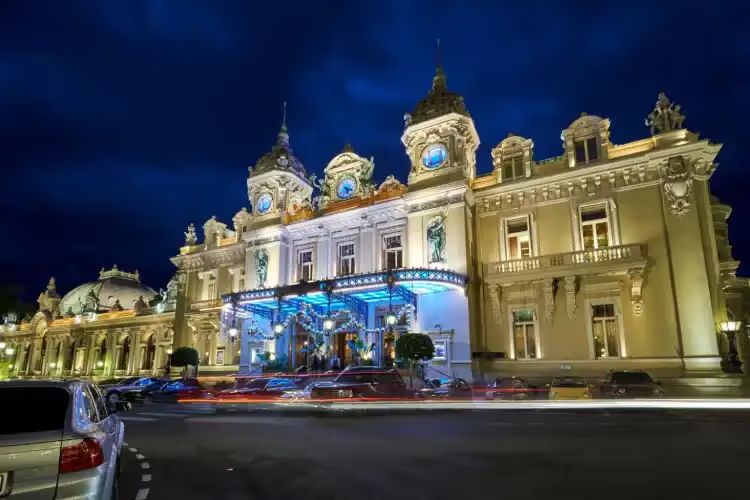
Opened in 1863, Casino de Monte Carlo represents a different stage in the development of casinos, one focused on prestige, image, and international appeal.
Backed by Monaco’s ruling family, the casino was designed as part of a broader plan to attract wealthy visitors and strengthen the local economy. Its location, architecture, and exclusivity were all carefully considered to position Monaco as a luxury destination.
Over time, it became one of the most recognisable casinos in the world. Its association with high-stakes gaming, strict entry standards, and iconic design helped shape how casinos present themselves even today.
The influence of Monte Carlo can still be seen in today’s land-based and online casinos, particularly in the way they combine design, reputation, and exclusivity to create an experience that goes beyond simply playing casino games.
Golden Gate Casino (Las Vegas, USA)
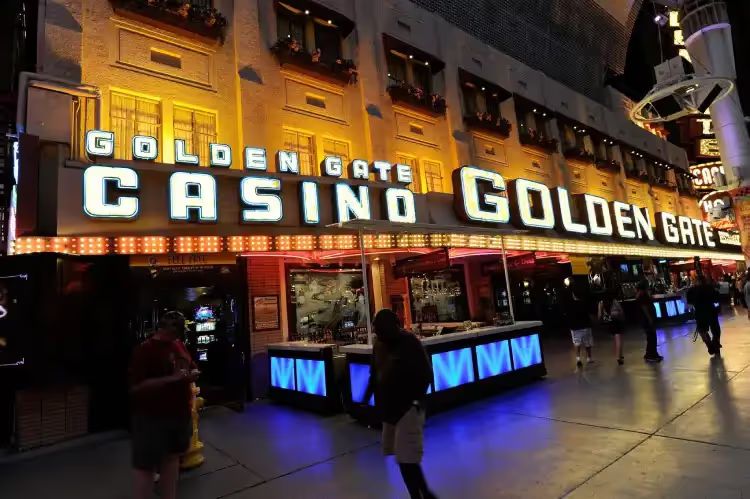
Golden Gate Casino dates back to 1906 and is one of the earliest surviving casinos in Las Vegas. Its history reflects how strongly the industry has been shaped by regulation and legal change.
In 1909, gambling was banned in Nevada, forcing casinos to close. When it was legalised again in 1931, venues like Golden Gate reopened, marking the beginning of Las Vegas as a major gambling centre.
Unlike the European casinos that developed around leisure and social culture, Las Vegas casinos grew alongside tourism, entertainment, and commercial expansion. This created a different model, one focused on accessibility, scale, and continuous operation.
Golden Gate remains active today and offers a useful example of how casino gaming expanded from European origins into a more commercial and globally recognised industry.
From Historic Casinos to Modern Play
By the time casino gaming expanded to places like Las Vegas, the core model was already well established: structured games, clear rules, and controlled environments designed around the player experience. That same model still exists today, but it’s no longer limited to physical venues.
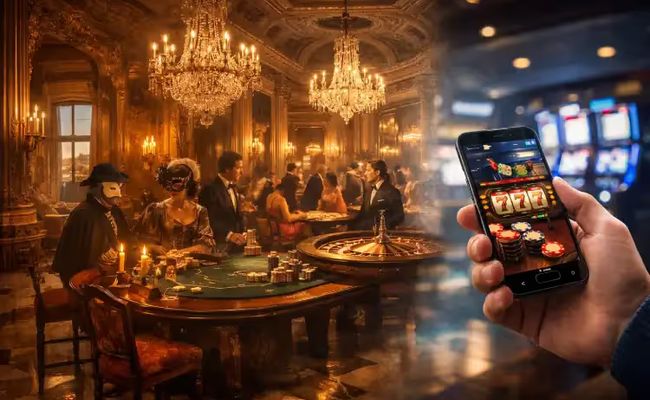
Online casinos have made it possible to access the same games from anywhere, and this has been taken even further with mobile casinos designed for playing on smartphones and tablets. Instead of travelling to a casino, players can now log in and play within seconds, without the same restrictions around location or opening hours.
Even with this shift, the fundamentals haven’t changed. The games, the rules, and the way casinos operate still follow the structure first introduced by those early European venues - only the format has evolved.
Final Thoughts
While the way people access casino games has changed, the core experience remains familiar. The rules, game formats, and overall structure still reflect the systems first introduced in early European casinos.
Looking at these historic venues helps put modern casino gaming into perspective. It’s hard to understand where the industry is heading without knowing where it started. Even as the format evolves, those early foundations remain firmly in place, continuing to influence the future of online gambling.

Reviews (0)
No comments yet. Be the first to comment!